
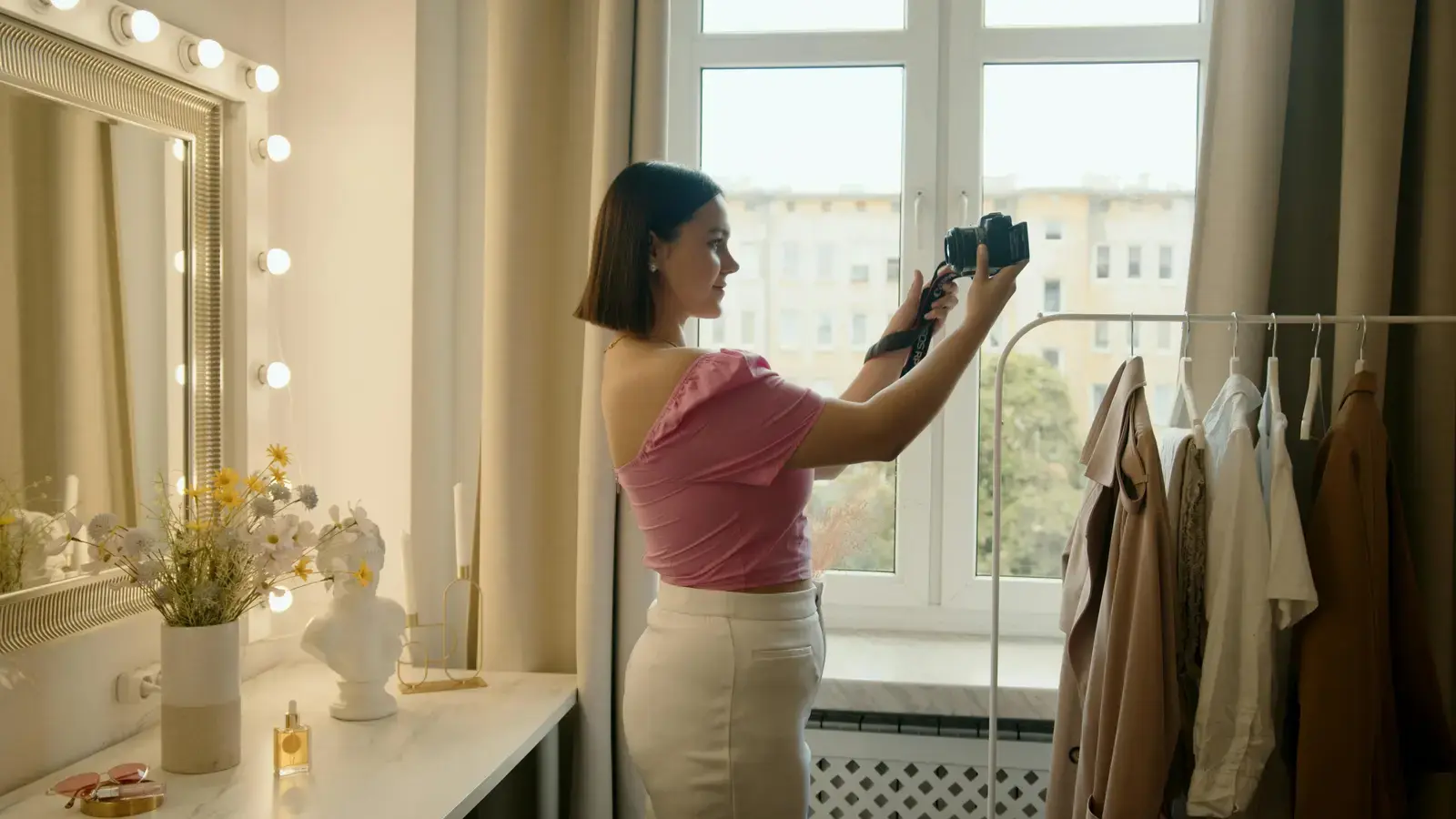
Why Real Customers Use Imperfect Selfies — And Why VTO Must Adapt
Customers don’t take professional photos when they shop online. They use whatever selfie they already have: a quick mirror shot, an angled pose, a cropped frame, or a slightly blurred photo taken in everyday lighting. This is real user behavior — and it’s the biggest reason virtual try-on must work with imperfect customer photos. If a VTO system requires perfect input, most shoppers will abandon it immediately. Modern fashion e-commerce needs virtual try-on that meets customers where they already are.
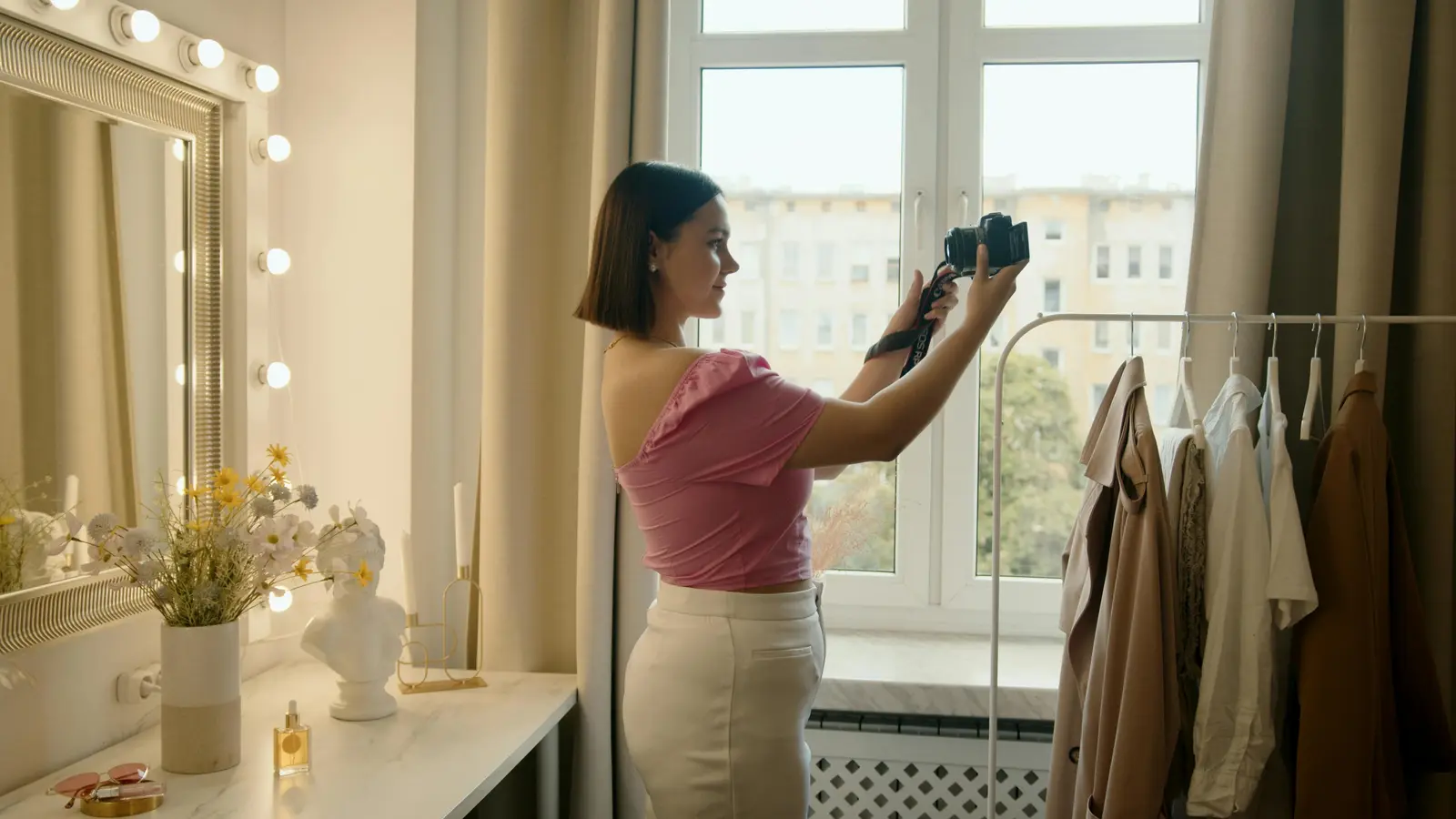
Prep Requirements Don’t Match How People Take Photos
Early virtual try-on tools often expected straight poses, plain backgrounds, even lighting, and full-body shots. But real customers don’t take photos this way. They upload mirror selfies from home, gym photos, casual snapshots taken on the go, or close-up portraits with uneven lighting. When VTO can’t interpret these natural, everyday images, shoppers quickly lose confidence in the tool. A feature designed to increase purchase certainty ends up creating hesitation instead.
Real Customers Don’t Re-Take Photos for VTO
E-commerce thrives on low friction. If customers must retake a photo just to use virtual try-on, most simply won’t. They expect the feature to work instantly with the selfies already in their camera roll. Adobe’s Digital Trends report shows that low-friction experiences drive higher engagement and stronger conversion rates.1 When a customer uploads a normal selfie and receives a distorted or inaccurate output, trust is damaged — and they are unlikely to try again.

Imperfect Selfies Are the Standard, Not the Exception
Most people take photos in real environments: bedrooms, offices, gyms, cafés, and outdoor spaces. Lighting varies. Angles shift. The camera quality isn’t always perfect. Hair may cover the shoulders. These are not flaws — they are normal conditions. Modern VTO must adapt to these variations in lighting, pose, background, and quality. The goal is not to force customers into an ideal input but to interpret natural selfies accurately and produce visuals they trust.
Why Imperfect Inputs Are the Key to Conversion
When VTO works smoothly with the photos customers already have, engagement rises immediately. More shoppers try the feature, more sessions include on-body previews, and more customers add items to their cart with confidence. Even small improvements in selfie acceptance create meaningful lifts in conversion simply because more users complete the try-on experience.
Poor Support for Imperfect Selfies Damages Trust
If a shopper uploads a real-world selfie and the garment appears warped, stretched, or misaligned, the issue goes beyond a poor preview. It undermines trust. Once customers begin doubting the accuracy of the output, they hesitate to use the feature again and lose confidence in the try-on experience altogether. In fashion e-commerce, trust is fragile. A virtual try-on system must earn it by producing consistent, believable results even when the input photo is casual, angled, low-light, or slightly blurred.
Summary Insight
Customers rely on imperfect selfies, so VTO must adapt seamlessly to real-world inputs to earn trust, drive engagement, and lift conversion.
Turning Real Selfies Into Reliable Try-On Results
Hautech is designed to interpret real-world selfies — angled, cropped, low-light, or slightly blurred — and still produce realistic on-body visuals. The system automatically adapts to pose, lighting, hair overlap, and background variation, making virtual try-on accessible and trustworthy for every shopper.