

Why Product Photos Alone Aren’t Enough in 2025
In 2025, fashion e-commerce shoppers don’t settle for static imagery. They arrive expecting clarity, movement, and styling context powered by the same interactive experiences they scroll through on social platforms every day. If a product detail page forces them to guess how a garment drapes, stretches, or complements their wardrobe, hesitation sets in. Flat photography still plays a role, but it no longer satisfies customers who demand personalized, on-body visualization before they commit. Retailers that deliver those views guide shoppers toward confident decisions and win the sale.
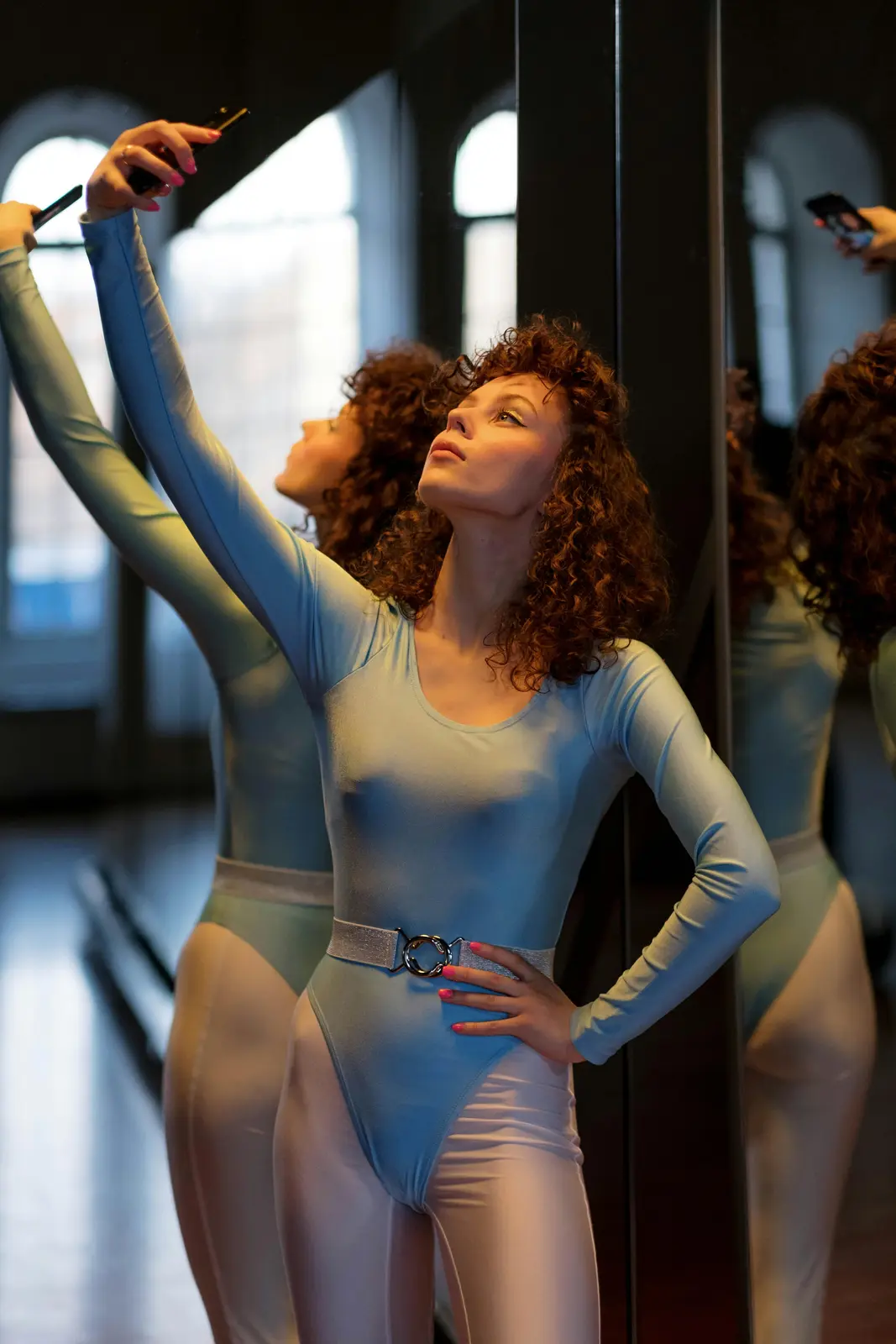
Customers Want to See Realistic On-Body Presentation
Product photos show a garment; virtual try-on shows the garment on the shopper. Customers want to understand how a neckline rests on a real frame, whether a sleeve length feels proportional, and how fabric behaves when it moves. Without those cues, they abandon carts or turn to brands that provide them. Personalized try-on has quickly become the baseline for fashion discovery, especially among Gen Z shoppers who grew up sharing “fit checks” with friends.
Static Imagery Doesn’t Show Styling or Context
Standard PDP galleries isolate each garment, yet customers plan outfits. They wonder which blazer sharpens a slip dress or whether a cropped knit pairs with their go-to high-waist denim. Static photography forces them to imagine the answers. On-body visualization shows mix-and-match possibilities instantly. By previewing complete looks, shoppers feel confident investing in complementary pieces and building bigger carts.

Flat Photography Doesn’t Reduce Returns
Fashion return rates still hover between 20–40% because items “looked different in person.”1 Static product images introduce guesswork. When shoppers can only estimate fit and proportion, the garment arrives and disappointment follows. Virtual try-on eliminates those surprises by matching expectations before the order ships.
On-Body Visualization Improves Conversion
Shoppers convert faster when they see themselves—or a realistic proxy—wearing the product. Visualizing sleeve drape, inseam length, and color on an actual body removes doubt. Virtual try-on can lift conversion by up to 30%.2
Static product photography simply displays the item; on-body visualization proves why it belongs in the shopper’s closet.
Product Photos Don’t Support the Full Shopping Journey
Traditional product shots live on a single PDP carousel. On-body renders travel across the funnel:
- personalized ads tailored to a shopper’s size profile
- PDPs that spotlight styling variations and motion
- email reminders featuring the customer’s saved selfie
- post-purchase lookbooks that inspire reorders
Virtual try-on keeps engagement high from discovery through loyalty, while static imagery falls silent after the first click.
Why 2025 Marks the Shift
Social commerce set the tone: TikTok try-ons, livestream shopping, and micro-influencer “outfit of the day” posts conditioned customers to demand realism. The 2025 shopper expects the same transparency from brand storefronts that they get from creators they trust. Retailers who deliver interactive try-on experiences match that expectation. Those who rely on flat imagery feel outdated the moment a customer compares options.
Summary Insight
Static photos start the story, but virtual try-on delivers the context and personalization shoppers need to buy confidently and stay loyal.
Turning Real Selfies Into Reliable Try-On Results
Hautech turns simple catalog images and shopper selfies into trustworthy on-body visualization. We help brands demonstrate fit, styling, and movement before purchase so customers can shop confidently—and retailers can boost conversion while cutting returns.