

How Model Swap Turns Any Product Photo Into a Market-Ready Asset
Fashion teams depend on fast-moving visuals, yet many product photos remain stuck in outdated formats: old models, inconsistent styling, mismatched lighting, or imagery that no longer reflects the brand. Updating these assets has traditionally required full reshoots, new castings, and weeks of production.
A 2025 Adobe retail report shows that over 60% of e-commerce teams struggle to keep their visual catalogs up to date, leading to lower conversion and more returns.1 Shopify confirms that high-quality, consistent visuals are one of the strongest predictors of conversion in fashion e-commerce.2
Model Swap solves this gap by allowing brands to instantly upgrade any existing image into a polished, brand-ready asset—without rebuilding the entire shoot.
Why Legacy Images Hold Back Conversion
Fashion catalogs often suffer from:
- Old or mismatched models
- Inconsistent lighting or color
- Visual styles that drift from the brand’s current look
- Regional imagery that doesn’t match target markets
- Models that don’t reflect size range or inclusivity expectations
This inconsistency affects both purchase confidence and brand perception.
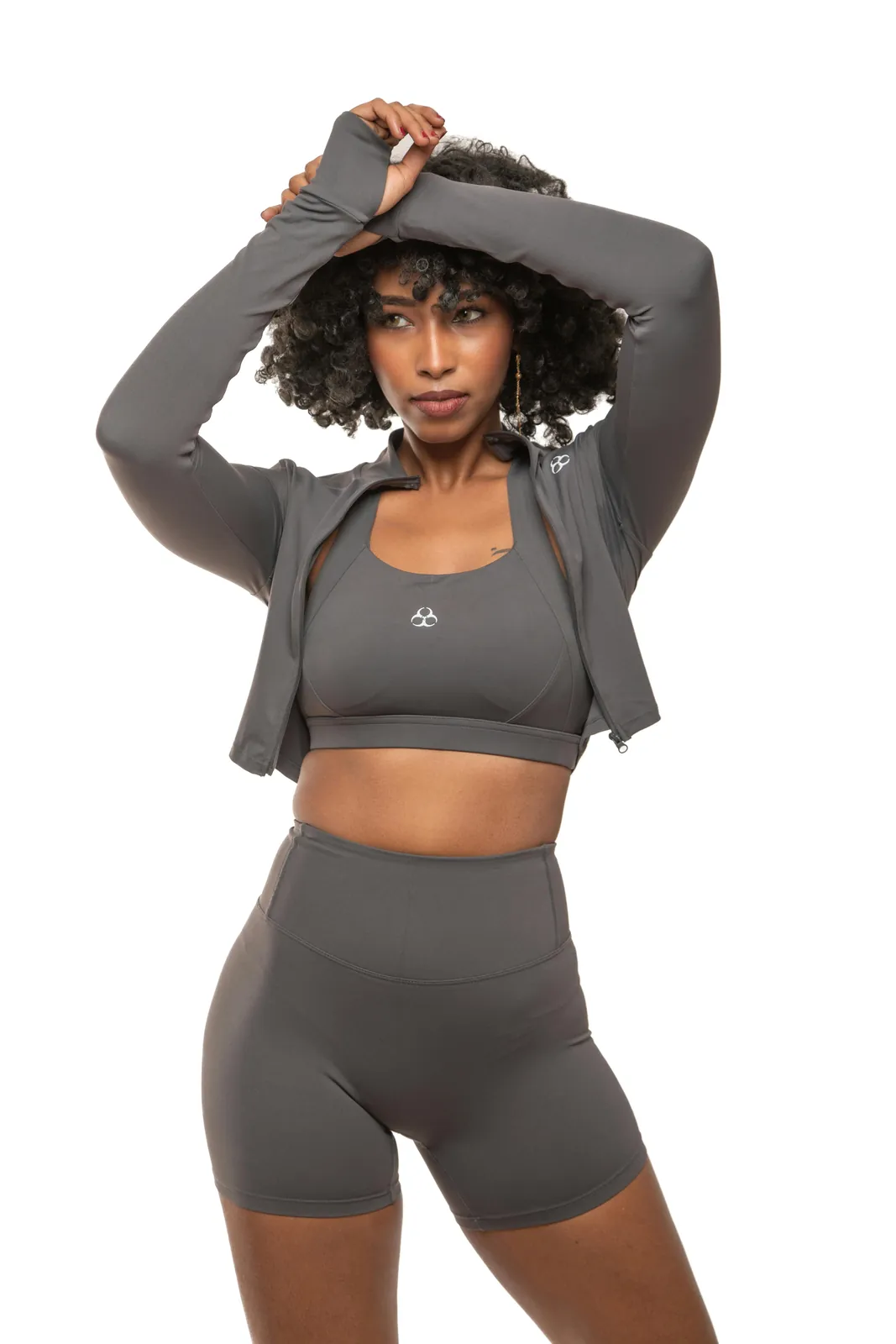
Model Swap makes it possible to update these visuals from the inside out, keeping the garment, lighting, scene, and composition intact while replacing only the human model.
Retailer advice: Prioritize SKUs with high impressions but low engagement—these usually benefit most from upgraded visuals.
Unlocking Asset Quality Without Reshoots
Reshooting even a small part of a catalog involves casting, logistics, styling replication, and post-production work. For brands with thousands of SKUs, this is rarely feasible.
With Model Swap, teams can:
- Revive outdated imagery
- Replace models without touching the garment
- Maintain the original lighting and setup
- Bring older assets into alignment with current brand standards
- Scale upgrades across hundreds of images in a batch
This turns existing photos into reusable, future-proof assets.
Retailer advice: Use Model Swap to refresh older seasonal catalogs before promoting them again.
Brand Consistency at Scale
Consistency is difficult when images are produced across different seasons, markets, and production teams. Variations in style, model choice, and lighting reduce cohesiveness across the site.
Model Swap ensures:
- 100% product integrity
- Identical lighting and shadows
- Style and aesthetic preserved from the source image
- Zero artifacts
- Unified brand tone across all SKUs
Teams can also introduce a brand-aligned “Master Model” to standardize visuals across the entire collection. This level of consistency helps brands achieve faster marketplace approvals and maintain a more premium shopping experience.
From One Image to All SKUs
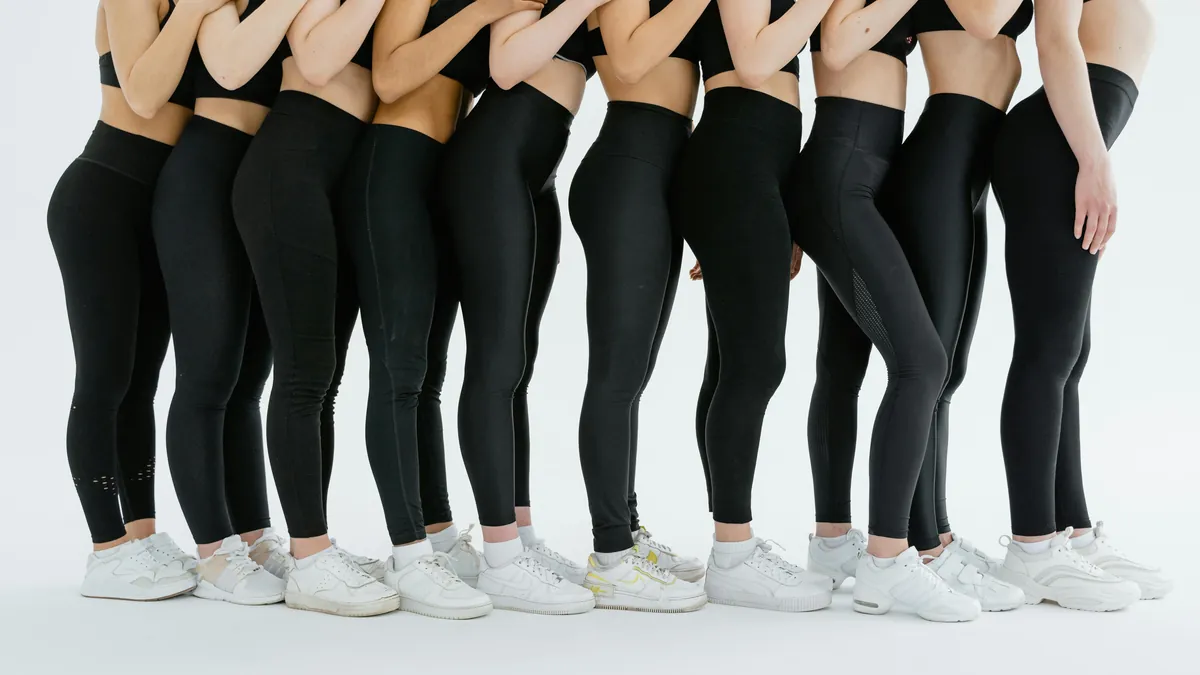
A single strong visual can become a source asset for multiple product variations. With Model Swap, one well-lit product shot can expand into many versions featuring different models, regional looks, or size ranges—without reshoots.
Brands often discover that a specific look delivers better engagement and can apply it across all high-priority SKUs.
Retailer advice: Repurpose high-converting models across new drops to maintain familiarity and trust.
Improving Size Confidence and Reducing Returns
Size-related uncertainty remains a leading reason for returns. Showing how one garment looks on different body types is one of the clearest ways to reduce hesitation.
Model Swap makes it possible to show:
- Plus-size variations
- Petite variations
- Mid-size fits
- Consistent comparisons in the exact same scene and pose
This gives shoppers a clearer understanding of garment fit and reduces size-related returns.
A 2024 PwC retail study found that fit uncertainty accounts for over 35% of apparel returns.3
Summary Insight
Every brand has thousands of images that are “good enough,” but not market-ready. Model Swap unlocks the value trapped in these assets by transforming them into polished, consistent, brand-aligned visuals—instantly and at scale.
How Hautech Helps
Hautech’s Model Swap engine turns any existing product photo into a finished, catalog-ready image while preserving full product accuracy and brand consistency. Teams can refresh legacy visuals, improve fit clarity, scale model variations, and bring their entire catalog up to modern visual standards—without reshoots.