
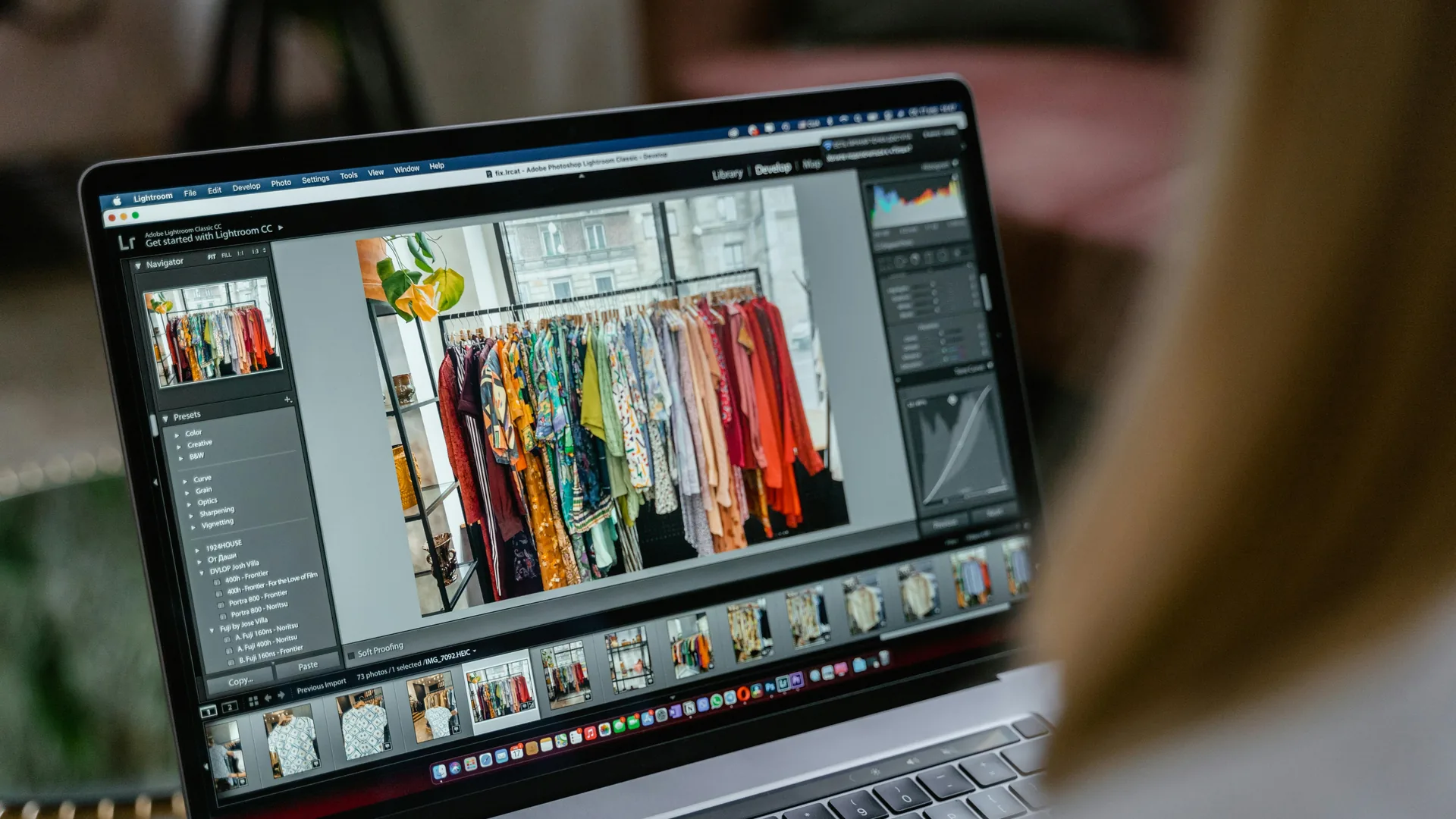
20% Higher CTR: How Model Swap Enables Real A/B Testing in Fashion Ads
Fashion ad teams increasingly rely on performance-driven visuals, yet producing variations for testing remains slow and expensive. According to Adobe’s 2024 Digital Advertising Report, brands that refresh creatives weekly see 20% higher CTR on average, with visual relevance being a major driver of performance.1 At the same time, Meta reports that creatives—not targeting—account for over 70% of campaign performance variance in fashion marketing.2 Teams need more versions, faster—but traditional production workflows can’t support the volume required. Model Swap solves this bottleneck.
Model Choice Drives Performance
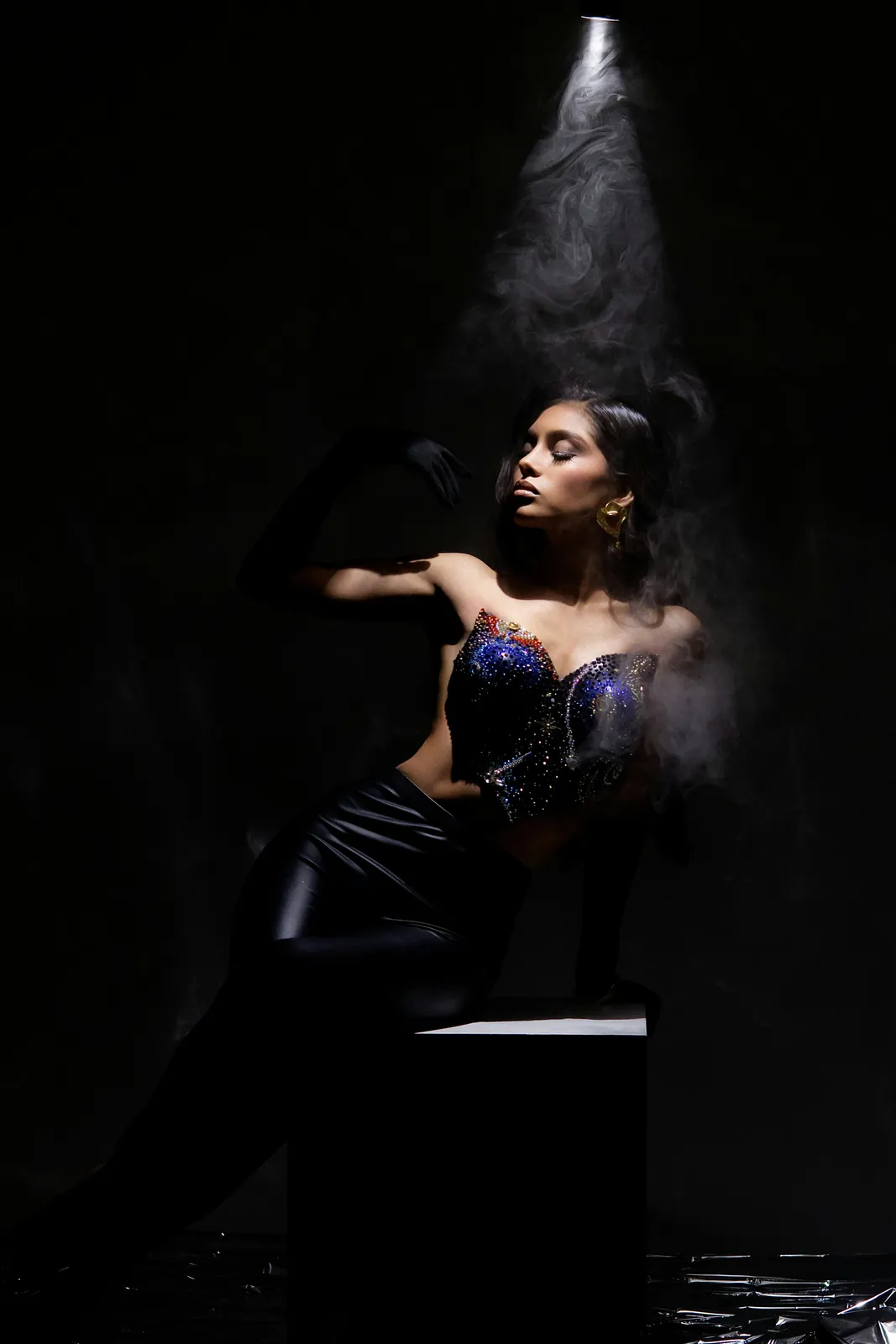
Model representation directly affects how users engage with ads. Factors like age, style, ethnicity, and attitude influence whether the visual resonates with the intended audience.
Historically, producing different model variations required new castings, additional shoots, and higher production costs. This limited how often brands could run true A/B tests. Model Swap enables instant replacement of the human model while preserving the exact product, scene, and lighting—making it possible to generate clean, controlled variations for performance testing.
Retailer advice: Test demographic variations on top-funnel ads where visual resonance has the strongest impact.
Controlled A/B Testing Without Reshoots
A good A/B test isolates one variable at a time. In fashion ads, that variable is often the model.
Traditional reshoots introduce inconsistencies such as pose changes, lighting differences, styling tweaks, and product discrepancies. These variables dilute insights and make test results unreliable.
With Model Swap, all elements except the model remain identical. The Locked Consistency Engine preserves:
- Product appearance
- Lighting and shadows
- Background
- Scene geometry
- Brand style
This creates clean, science-like testing conditions where the impact of the model is measurable.
Retailer advice: Start tests with 2–3 variants per ad set to avoid audience fragmentation.
Faster Creative Iteration Across Channels
Fashion ads today need a high volume of fresh visuals across multiple channels:
- Meta Ads
- TikTok
- Google Performance Max
- Marketplaces
- Retargeting
- Seasonal drops
Each channel benefits from different visual cues. Model Swap allows teams to generate batches of controlled variations in minutes, enabling constant creative refresh.
A 2024 Coresight Research study found that fresh creatives can reduce CPM waste by up to 18%.3 Fast iteration helps reduce creative fatigue, improve engagement, and drive better overall ROI.
Personalized Ads Without Rebuilding Shoots
Model Swap supports demographic and persona-based personalization:
- By region
- By age group
- By ethnicity
- By style preference
- By body type
This allows hyper-targeted ad sets—for example:
- “Petite shopper” variants
- “LATAM aesthetic” variants
- “UK streetwear” variants
- “Gen Z relaxed fit” variants
All generated from a single base image, without new production cycles.
Retailer advice: Pair each demographic visual with localized or persona-specific copy for higher relevance scores.

Scaling Winning Creatives
Once a winning creative is identified, Model Swap makes it easy to:
- Reuse the top-performing model across the full collection
- Maintain consistent visuals across SKUs
- Scale creatives to new campaigns quickly
- Apply insights to new drops and seasonal lines
This turns creative testing into a repeatable growth loop:
- Generate model variations
- Test them at scale
- Identify winners
- Roll out across the catalog
- Refresh and repeat
The system compounds results over time.
Summary Insight
Creative performance in fashion advertising is driven largely by model representation. Model Swap removes production friction so teams can experiment continuously.
Brands get faster learning cycles, higher CTR, and scalable creative refresh without rebuilding entire shoots.
How Hautech Helps
Hautech’s Model Swap solution lets brands produce controlled model variations instantly, without the need for new photoshoots. Marketing teams gain the speed and flexibility to test visuals continuously, refresh creative assets weekly, and scale top performers across campaigns to improve CTR and conversion.
Footnotes and References
Footnotes
-
Meta Business Insights — https://www.facebook.com/business/news/insights ↩
-
Coresight Research — https://coresight.com/research ↩