
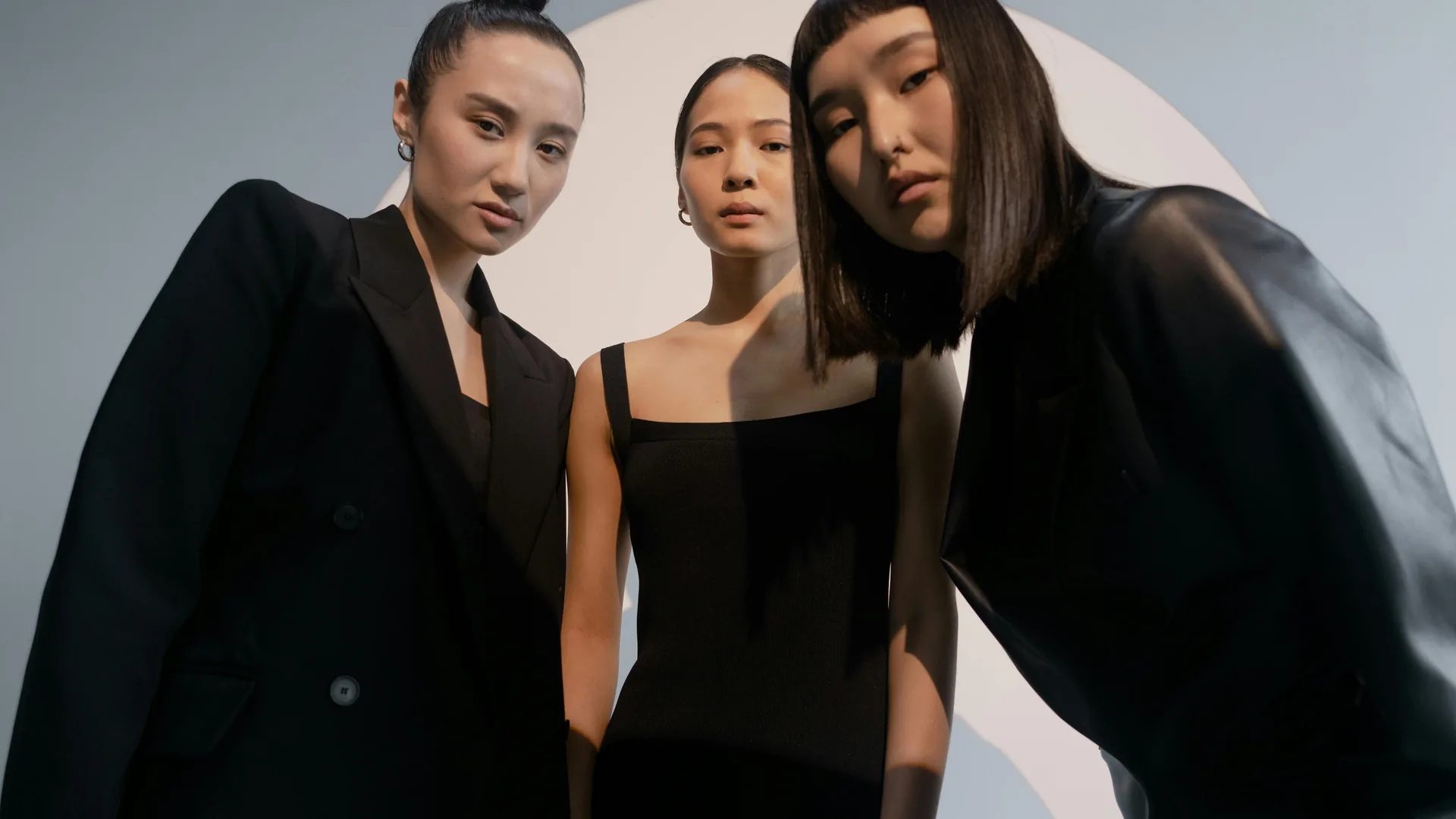
Flat Lays → On-Model in Seconds: How AI Helps Brands Monetize Their Entire Catalog
Why Flat Lays Limit Sales Potential
Many fashion brands still rely heavily on flat lays and mannequin photos, especially for older stock and secondary SKUs. But modern shoppers expect to see products on real models.
When products are only shown as flat lays:
- Add-to-cart rates drop
- Size confidence decreases
- Engagement in ads and marketplaces weakens
According to Shopify, on-model photos increase shopper confidence and reduce hesitation compared to basic product shots.1 In 2024, 87% of consumers said product imagery is the key factor when deciding to buy online.2

Flat Lays Are a Bottleneck for Older Inventory
Most brands have hundreds—or thousands—of SKUs still represented by outdated visuals. Refreshing them traditionally requires:
- Hiring models
- Studio rentals
- Lighting/styling teams
- Reshooting garments that may no longer be in perfect condition
The average fashion photoshoot can cost $500–$3,000 per day, and large e-commerce brands may spend millions per year to maintain catalog consistency.3 With shrinking margins and faster seasonality cycles, reshooting is often not feasible.
AI Converts Any Input Into Market-Ready On-Model Imagery
AI generated models now let brands transform simple flat lays, pack shots, or mannequin photos into lifelike, on-model visuals—instantly.
Key advantages:
- Works even with older or low-quality product images
- Requires no physical sample
- Creates consistent styling across the entire catalog
- Enables rapid testing of new aesthetic directions
Research shows that on-model imagery improves conversion by 20–30% relative to non-model images.4
Retailer advice: Start with your top 200 SKUs stuck in flat lay format—these typically unlock the fastest ROI.
On-Model Imagery Drives Higher Discovery and Sales
Visual clarity directly influences how products perform across channels:
- Marketplaces reward listings with higher engagement
- Paid ads using model images consistently deliver higher CTR
- Merchandising teams can create complete looks that boost units per transaction
A McKinsey report found that e-commerce brands using richer visual content saw up to 40% higher return on ad spend.5 Turning flat lays into on-model photos lets brands participate in this uplift without new photoshoots.
How Brands Monetize the Entire Back Catalog
Most retailers only actively push ~20–30% of their SKUs because the rest lack strong visuals. AI changes that. With AI generated models, brands can:
- Refresh old inventory with premium visuals
- Reactivate SKUs previously excluded from ads
- Create cohesive seasonal campaigns
- Introduce styling consistency that was never possible at scale
Retailer advice: Prioritize SKUs where inventory is high but visuals are weak—this often unlocks immediate sell-through improvements.
Summary Insight
AI gives brands the ability to turn every flat lay, mannequin shot, or sample photo into a fully monetizable on-model visual.
The result: higher engagement, stronger conversion, and full catalog coverage—without reshoots or long production cycles.
How Hautech Helps
Hautech lets brands convert any product image—from quick mobile shots to flat lays—into photorealistic on-model visuals in seconds. Teams can scale across thousands of SKUs, maintain brand-aligned styling, and unlock immediate ROI from older inventory. No samples, no reshoots, no delays.
Footnotes and References
Footnotes
-
Shopify — https://www.shopify.com/blog/product-photography ↩
-
Statista — https://www.statista.com/statistics/1238572/online-shopping-factors-worldwide/ ↩
-
Adobe — https://www.adobe.com/creativecloud/photography/hub/how-much-does-product-photography-cost ↩
-
Nielsen Norman Group — https://www.nngroup.com/articles/ecommerce-product-lists/ ↩
-
McKinsey — https://www.mckinsey.com/industries/technology-media-and-telecommunications/our-insights/the-potential-for-ai-in-ecommerce ↩