
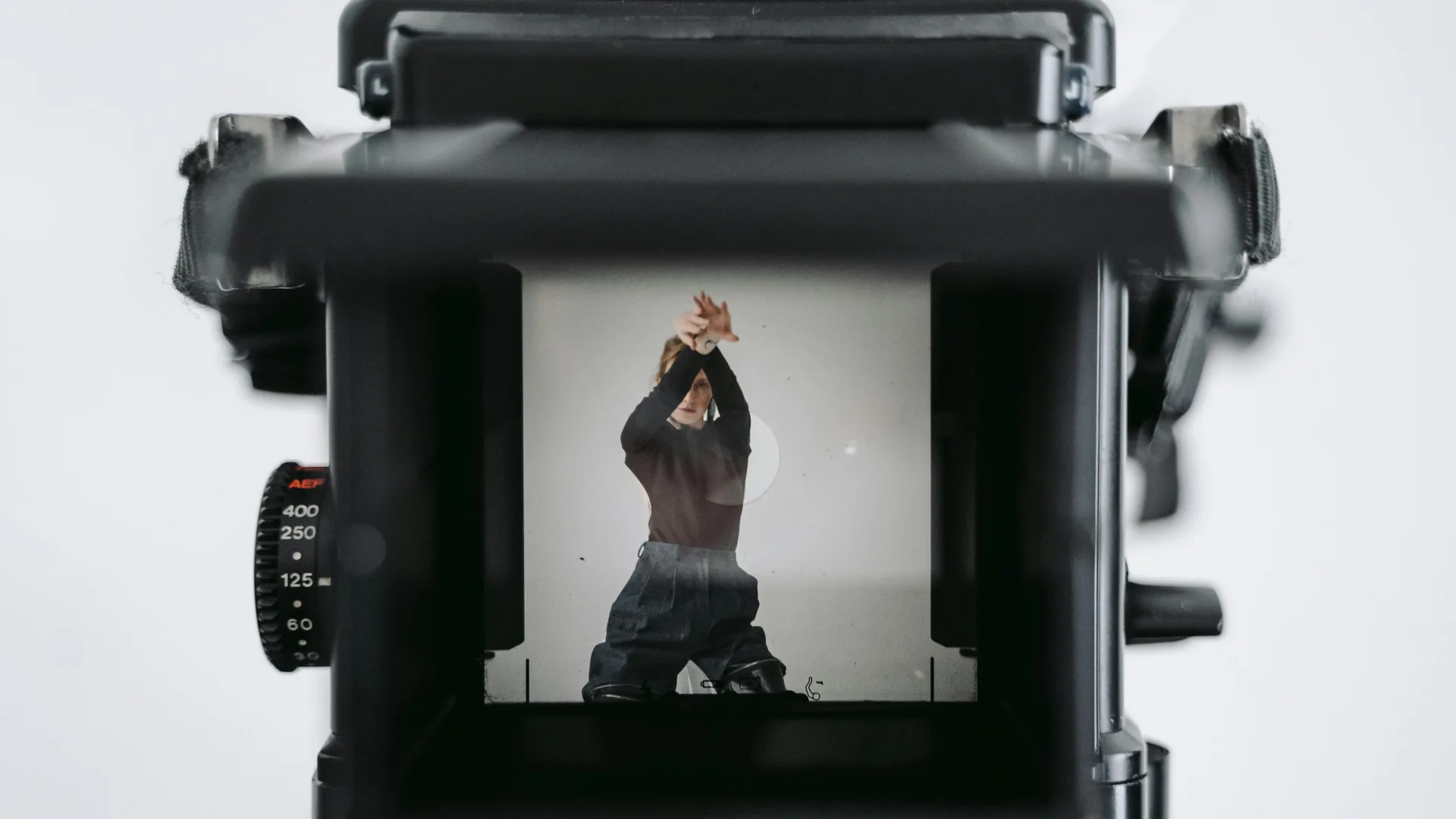
The True Cost Advantage: Why AI Outperforms Traditional Model Photography by 90%
Why Traditional Model Photography No Longer Scales
For fashion brands, the rise of online retail created a constant need for new visuals. More SKUs, more colorways, more seasonal updates — and all of it demands model photography.
But producing these assets has become increasingly expensive. Studio rentals, models, stylists, makeup teams, photographers, and editing workflows add up quickly. Even small shoots often cost between $500 and $3,000 per day.1 As catalogs grow, this model no longer fits. It slows down launches, strains budgets, and forces teams to make trade-offs on quality or coverage.

The Hidden Costs Behind Every Shoot
On paper, a photo shoot looks like a predictable line item. In reality, brands face numerous indirect costs.
Samples arrive late. Sizes don’t match. Looks need to be re-shot after styling changes. Teams adjust schedules around model availability. Some items never get re-shot at all, which weakens their sales potential. McKinsey notes that inefficiencies in content production can reduce margins by up to 15%.2 These delays and inconsistencies make traditional production one of the most challenging parts of e-commerce operations.
Why AI Reduces Production Costs by Up to 90%
AI-generated models replace the full studio workflow with a digital one. A single flat lay, packshot, or mobile image can be turned into a photorealistic on-model photo within seconds.
This eliminates the biggest cost drivers — no models, no studios, no logistics, no retouching, no travel, no reshoots. Shopify highlights that updating and maintaining product visuals is one of the costliest processes in online retail.3 AI removes this production barrier entirely. Instead of budgeting per shoot or per SKU, brands gain the ability to generate unlimited visuals at a fraction of the previous cost.
The Scale Advantage
Traditional photography limits how many variations a brand can realistically create.
AI has no such constraint. A single product can be shown on different models, with different aesthetics, seasonal styling, or backgrounds — all without extra planning or additional resources. This flexibility helps teams keep catalogs fresh, run more personalized campaigns, and present products in formats that convert better across markets and channels.

The Speed Advantage
Timing is just as important as cost.
Delays in receiving samples or booking studios often push launches back. Visual Objects reports that many brands struggle to bring products to market on schedule because of these production bottlenecks.4 AI changes the timeline completely. Brands can prepare product pages, campaigns, and marketplace listings long before samples arrive. This delivers faster season openings, more consistent merchandising, and earlier revenue capture.
Summary Insight
AI doesn’t simply make photography cheaper — it removes almost all traditional barriers to visual production.
Brands gain speed, consistency, and flexibility while reducing costs by up to 90%. The result is a more scalable, profitable way to present products across every digital channel.
How Hautech Helps
Hautech enables brands to replace traditional model photography with lifelike AI-generated models that reflect their exact styling and visual standards. Teams can produce unlimited on-model imagery for any SKU at any moment, cutting budgets dramatically and accelerating both catalog updates and campaign launches.
Footnotes and References
Footnotes
-
Adobe — https://www.adobe.com/creativecloud/photography/hub/how-much-does-product-photography-cost ↩
-
McKinsey — https://www.mckinsey.com/capabilities/growth-marketing-and-sales/our-insights/the-promise-and-challenge-of-ai-for-content-creation ↩
-
Shopify — https://www.shopify.com/blog/product-photography ↩
-
Visual Objects — https://visualobjects.com/graphic-design/blog/product-photography-tips ↩